
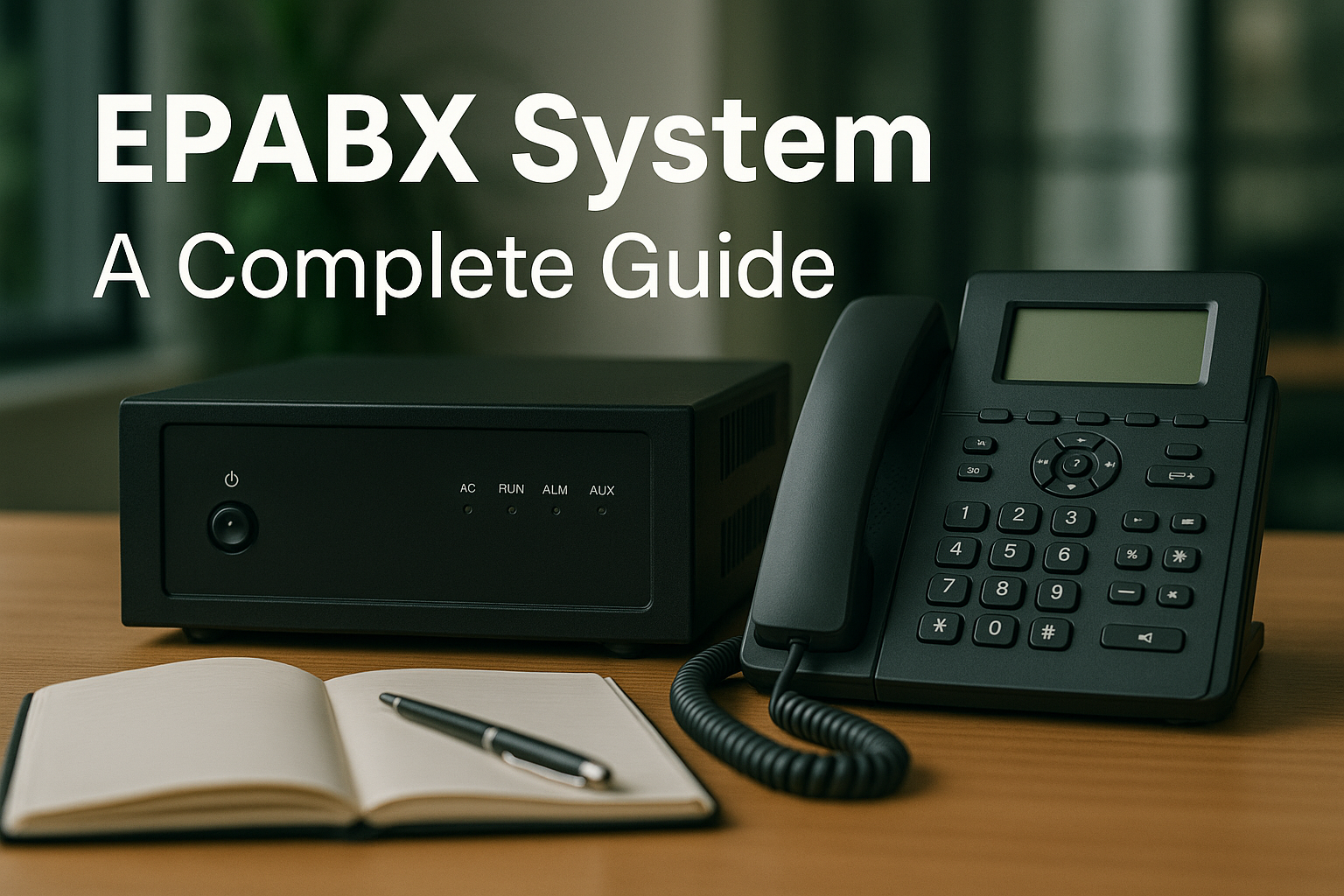
In the age of cloud calling and VoIP, the EPABX system (Electronic Private Automatic Branch Exchange) remains a reliable, cost-effective communication backbone for many organizations. Whether you’re running a corporate office, hotel, hospital, or educational institution, an EPABX system streamlines internal communication and reduces telephone costs. But what exactly is EPABX, and why does it still matter today? 🧠 What Is an EPABX System? An EPABX system is a private telephone network used within an organization. It allows: Internal calling between extensions without routing through the public telephone network Shared access to limited external lines Efficient call routing, forwarding, voicemail, and more In simpler terms, it acts as a switchboard, directing calls to the right person or department, quickly and efficiently. 🔍 Key Features of EPABX Systems Feature Benefit Auto Attendant Answers and routes calls automatically Call Transfer Move calls between users seamlessly Conference Calling Enables group conversations across extensions Voicemail Integration Record messages when unavailable Intercom Facility Fast communication between departments Call Logs & Reports Monitor call activity and volume 🏢 Applications Across Industries Corporate Offices: Internal team connectivity, client call handling Hotels: Room-to-room calling, front desk communication Hospitals: Fast communication between departments and wards Educational Institutions: Campus-wide connectivity Factories: Connect remote locations and admin sections 🖥️ Types of EPABX Systems Analog EPABX Traditional hardware-based Simple and cost-effective Best for small businesses Digital EPABX Clearer audio and added features Scalable and programmable IP-PBX (Internet Protocol) Uses VoIP over the internet Great for remote/hybrid offices Offers mobile app support 🔧 Why Businesses Still Choose EPABX Lower telecom costs Controlled internal communication Easy call handling Works even without internet Integration with CRM and security systems 🔚 Final Thoughts EPABX systems may be decades old, but they’re far from obsolete. As a trusted communication solution, they continue to support businesses where reliable, structured voice connectivity is a must. Whether standalone or hybrid with modern VoIP systems, EPABX remains a strong pillar in the world of enterprise communication.
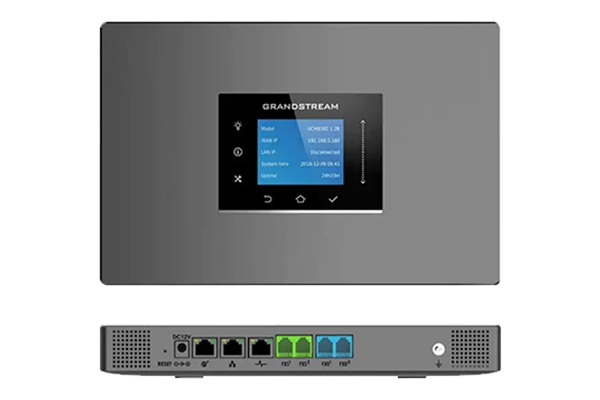
🌐 What Is an IP PBX System and Why Your Business Needs One
In today’s digital-first business environment, communication must be fast, flexible, and scalable. Enter the IP PBX system — a modern phone system that combines the features of traditional PBX with the power of the internet. Whether you’re a startup or an enterprise, an IP PBX (Internet Protocol Private Branch Exchange) can streamline communication, reduce costs, and future-proof your business. 🧠 Understanding IP PBX An IP PBX is a phone system that: Routes voice calls over the internet using VoIP (Voice over Internet Protocol) Manages internal and external calls using software instead of bulky hardware Integrates with CRM, remote work apps, and collaboration tools 🔧 Key Features of an IP PBX System Feature Benefit Voicemail to Email Access voicemails from your inbox Auto Attendant Directs calls without human intervention Remote Extensions Work-from-anywhere calling and receiving Call Recording Useful for training and compliance Unified Communications Connects voice, video, chat, and fax Scalability Easily add/remove users without new wiring 🏢 Why Businesses Are Switching to IP PBX 💸 Lower Costs: Uses your existing internet connection; fewer hardware expenses 🧑💻 Remote Work Ready: Perfect for hybrid teams and mobile workers 📈 Easy to Scale: Add users or new branches in minutes 🔐 Secure Communication: Encrypted voice and data transmission 🤝 CRM & App Integration: Seamlessly connects with tools like Salesforce, Zoho, Teams, etc. ☁️ On-Premise vs Cloud IP PBX Type Description Ideal For On-Premise Hardware installed at your location Larger firms with IT staff Cloud/Hosted Managed by a provider via the internet SMEs or businesses without IT team 💼 Use Cases Across Industries Startups: Affordable communication solution from day one Call Centers: Call queue management, call monitoring Retail Chains: Connect multiple stores centrally Healthcare: Secure voice communications across facilities Education: Manage campus-wide internal calling 🔚 Final Thoughts An IP PBX system is more than just a phone line — it’s a powerful communication hub for modern businesses. If you’re still relying on analog or outdated systems, now is the time to embrace IP-based communication to drive collaboration, mobility, and growth.
